Tuesday, July 27, 2010

White Rose


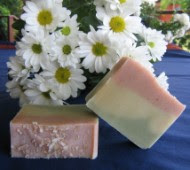
Just made a new batch of White Rose, this is a very feminine bar of soap with the fragrance of, you guessed it, roses.

This bar was made especially for my Mum who only likes using plain white soap, but I just couldn’t resist adding the extra touch of pink:) but she doesn't seem to mind just the small amount of colour and I think it adds the finishing touch to this bar.

It contains Macadamia oil and Mango Butter, both excellent emollients, making it a really nice bar to keep your skin feeling soft and moisturised.

Monday, July 5, 2010

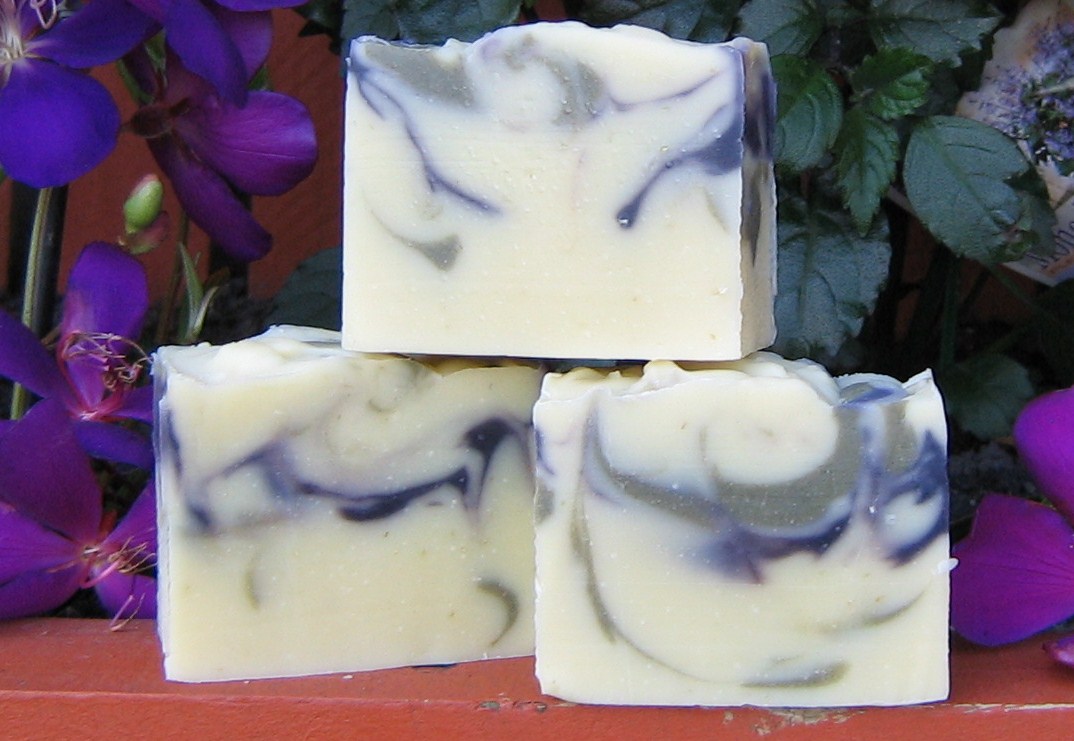
Lavender!


Lavender Fields

Love it or hate it, Lavender is here to stay. Lavender has a well-established tradition as a folk remedy and its scent is familiar to almost everyone.

Lavender oil is a natural antibiotic, antiseptic, antidepressant, sedative and detoxifier. It is especially successful in the treatment of burns and is used to encourage wound healing, it is soothing for inflamed skin conditions such as eczema, dermatitis and psoriasis and can be used as an antidepressant.

A few drops of lavender in a hot footbath has a marked influence in relieving fatigue and it can help to relax and bring a good night’s sleep. A truly indispensable fragrance!

Lavender & Mint

Wednesday, June 9, 2010

Everyone is impacted by Fragrance - Part 2

In my previous post “Everyone is impacted by Fragrance” Lara commented that maybe the super-sensitive nose some pregnant women develop, has the purpose to protect them and their baby.

I agree totally with Lara, I think she hit the nail right on the head, I think that is exactly why Mother Nature has given us this acute sense of smell at such an important time, when our babies are relying on us totally to protect them from any dangers that might stop them from developing properly in the womb . We know by extinct that strong smelling chemicals are properly not the best things for us to be using at that stage.

It’s a shame that it doesn’t continue for most of us after bubs is born. I was watching my son play football last week and was horrified by the number of times a Grand Mother was rubbing Hand Sanitizer on her little grand-daughter, this little girl looked to be about 2 or 3 years of age.

I was sitting right next to a lady who in the space of only one half of a football match, that’s approx. 30 minutes for those of you who don’t spend every Saturday watching their sons running around having fun, said, “come to Grand-Ma and wash your hands” three times. 3 times in half an hour and I was thinking about the amount of chemicals that little girl was having rubbed into her.

Whatever happened to good old fashioned “clean dirt”? now I know that sounds a bit silly, but once upon a time children were allowed to play in the back yard in the dirt and the mud having fun and getting exposed to germs that would allow their immune system to develop, which really is a good thing. Oh course, washing hands with soap and water after play and before eating is necessary, but a little bit of dirt isn’t going to hurt them.

When I got home I had to investigate the ingredients contained in the Hand Sanitizer she was using just in case I was wrong and there really wasn’t any chemicals contained in it, although I really didn’t think there would be much of a chance of this. So here we go:

Dettol Instant Hand Sanitizer:

Ingredients: Alcohol Denatured, Water, PEG/PPG-17/6 Copolymer, Propylene Glycol, Acrylates/C10-30 Alkyl Acrylate Crosspolymer, Tetrahydroxypropyl Ethylendiamine, Fragrance, Limonene.

OK, I really don’t know that I’d want to be rubbing this stuff on our children’s hands a couple of times a day, let alone 3 times in half an hour. What about the old fashioned way of just taking a plastic bag with a wet face cloth? Surely this is a lot safer to use on our children’s delicate skin.

I also looked up FRAGRANCE on the Cosmetics Data Base, as that’s what we have been discussing and they give it a score of 8 out of 10 for being a high hazard to our health, check it out yourself, it’s a great spot to type in any ingredient you’re not sure of and finding out exactly how bad or good it really is for you.

Come on Mums and Grand-Mums, let’s try and cut down on the use of chemicals we use on our children, for their health’s sake.

Saturday, May 29, 2010

FREE Pressie


For the next 3 days I'm giving away a FREE gift with every order, yes, I did say every order.

Gifts will range anything from a hand soap to one of our All Natural soap bars, depending on the size of your order.

Freebies will finish Monday night at 11.30PM, so be quick!

Tuesday, May 25, 2010

Everyone is impacted by FRAGRANCE.

"When sprayed or applied on the skin, many chemicals from perfumes, cosmetics and personal care products are inhaled. Others are absorbed through the skin. Either way, many of these chemicals can accumulate in the body. This pollution begins in the womb and continues through life."

I've had another great email from EWG or the Environmental Working Group with important information about the dangerous chemicals contained in our everyday products we use. I think it's very important that we are aware of the dangers of using Fragrances, I know they smell wonderful, but do you really know what ingredients are contained in them? That's why you won't find any synthetic fragrances in AromaBeauty Natural Soaps, but read for yourself some of the nasties contained them.

"A recent EWG study found Galaxolide and Tonalide, two synthetic musks, in the cord blood of newborn babies (EWG 2009). Both musks contaminate people and the environment worldwide, have been associated with toxicity to the endocrine system (van der Burg 2008) and were identified in the majority of products tested for this study.

Similarly, a pregnant woman’s use of some fragrances and other cosmetics frequently may expose her growing fetus to diethyl phthalate (DEP), a common perfume solvent linked to abnormal development of reproductive organs in baby boys and sperm damage in adult men (Washington Toxics Coalition 2009).

The average fragrance product tested contained 14 secret chemicals not listed on the label. Among them are chemicals associated with hormone disruption and allergic reactions, and many substances that have not been assessed for safety in personal care products.

Also in the ranks of undisclosed ingredients are chemicals with troubling hazardous properties or with a propensity to accumulate in human tissues. These include diethyl phthalate, a chemical found in 97 percent of Americans (Silva 2004) and linked to sperm damage in human epidemiological studies (Swan 2008), and musk ketone, a synthetic fragrance ingredient that concentrates in human fat tissue and breast milk (Hutter 2009; Reiner 2007).

To make matters worse, FDA lacks the authority to require manufacturers to test cosmetics for safety, including fragranced products, before they are sold to consumers. As a result,
people using perfume, cologne, body spray and other scented cosmetics like lotion and aftershave are unknowingly exposed to chemicals that may increase their risk for certain health problems.

New research also links prenatal exposure of DEP to clinically diagnosed Attention Deficit Disorder in children (Engel 2010). This analysis found DEP in 12 of 17 products tested, at levels ranging from 30 parts per million (ppm) to 32,000 ppm in Eternity for Women.

Numerous other products used daily, such as shampoos, lotions, bath products, cleaning sprays, air fresheners and laundry and dishwashing detergents, also contain strongly scented, volatile ingredients that are hidden behind the word “fragrance.” Some of these ingredients react with ozone in the indoor air, generating many potentially harmful secondary air pollutants such as formaldehyde and ultrafine particles (Nazaroff 2004).

People have the right to know which chemicals they are being exposed to. They have the right to expect the government to protect people, especially vulnerable populations, from hazardous chemicals. In addition to required safety assessments of ingredients in cosmetics, the laws must be changed to require the chemicals in fragrance to be fully disclosed and publicly accessible on ingredient labels.

Short of sending your favorite perfume to a lab for testing, shoppers have no way of knowing exactly which of the 3,100 fragrance ingredients may be hiding in their beauty products or even in their child’s baby shampoo."

Scary stuff! If you'd like to read the whole article, you can find it here. If you'd like to try some all natural soaps that contain NO Fragrance oils, only pure Essential oils, you can find them at Pure and Natural AromaBeauty.

Saturday, May 15, 2010

Comp Winner

I've received some lovely feedback from Melissa, the winner of our last competition and thought I'd share it with you.

"I absolutely love this package.
I opened the box and a lovely lavender scent flowed through the air, very welcoming.

The baby soap leaves my boys skin so soft, this is great as they both suffer from eczema and it works a treat on their skin.

I also love how the lavender soap smells, not too strong, and how it lathers up with the puff, leaving my skin nice and soft also.

thank you again for choosing my soap combo :)

Thank you so much Melissa for letting me know, I really appreciate it:)

Tuesday, May 11, 2010

Cancer Prevention Tips

EWG or the Environmental Working Group has put a news release on their website reporting on the dangers of chemicals, EWG is a non-profit research organization based in Washington, DC that uses the power of information to protect human health and the environment. Now I know it's not here in Aussie, but it affects us all. You can read some of their report below:

"6/5/2010 - Washington, D.C. – In a landmark report issued today, the President’s Cancer Panel asserts that public health officials have “grossly underestimated” the likelihood that environmental contaminants trigger a large proportion of the cancers diagnosed in 1.5 million Americans annually."

“The grievous harm from this group of carcinogens has not been addressed adequately by the National Cancer Program,” the panel told President Obama. “The American people—even before they are born—are bombarded continually with myriad combinations of these dangerous exposures.”
Again this is not just American people, it is happening everywhere!

“The incidence of some cancers, including some most common among children, is increasing for unexplained reasons,” the panel said.

“There are far too many known and suspected cancer-causing chemicals in products people, young and old, use every day of their lives,” said Kenneth A. Cook, president and co-founder of Environmental Working Group (EWG). “Tests of umbilical cord blood are proof positive that American children
are being exposed to hundreds of carcinogenic chemicals before they are born. Many of these chemicals are believed to be time bombs, altering the genetic-level switching mechanisms that lead to cancerous cellular growth in later life.”

Now this problem isn't just in America, it's everywhere in the world and is the reason I started making my own chemical free soaps many years ago, I also read every label on every product I buy to make sure they don't contain any of the nasty chemicals that seem to be in just about everything you buy these days.

EWG has very kindly given us some tips on how to reduce our every day exposure to some of these dangerous chemicals.

1. Filter your tap water. Common carcinogens in tap water include arsenic, chromium, and chemical byproducts that form when water is disinfected. A simple carbon filter or pitcher can help reduce the levels of some of these contaminants. If your water is polluted with arsenic or chromium, a reverse osmosis filter will help.

2. Seal outdoor wooden decks and play sets. Those built before 2005 are likely coated with an arsenic pesticide that can stick to hands and clothing. Learn more at www.ewg.org/reports/allhandsondeck

3. Cut down on stain- and grease-proofing chemicals. “Fluorochemicals” related to Teflon and Scotchgard are used in stain repellents on carpets and couches and in greaseproof coatings for packaged and fast foods. Some of these chemicals cause cancer in lab studies. To avoid them, skip greasy packaged foods and say no to optional stain treatments in the home.


4. Stay safe in the sun. More than one million cases of skin cancer are diagnosed in the United States each year. To protect your skin from the sun’s cancer-causing ultraviolet (UV) radiation, seek shade, wear protective clothing and use a safe and effective sunscreen from EWG’s sunscreen database.

5. Cut down on fatty meat and high-fat dairy products. Long-lasting cancer-causing pollutants like dioxins and PCBs accumulate in the food chain and concentrate in animal fat.

6. Eat EWG’s Clean 15. Many pesticides have been linked to cancer. Eating from EWG’s Clean 15 list of the least contaminated fruits and vegetables will help cut your pesticide exposures. Learn more at EWG’s Shopper’s Guide to Pesticides. http://www.foodnews.org

7. Cut your exposures to BPA. Bisphenol-A (BPA) is a synthetic estrogen found in some hard plastic water bottles, canned infant formula, and canned foods. It may increase the risk of reproductive system cancers. To avoid it, eat fewer canned foods, breast feed your baby or use powdered formula, and choose water bottles free of BPA. More at http://www.ewg.org/bpa/tipstoavoidbpa

8. Avoid carcinogens in cosmetics. Use EWG’s Skin Deep cosmetic database (www.cosmeticdatabase.com) to find products free of chemicals known or suspected to cause cancer. When you’re shopping, don’t buy products that list ingredients with “PEG” or “-eth” in their name.

9. Read the warnings. Some products list warnings of cancer risks – read the label before you buy.


This is a great site with some wonderful info, so when you get the chance take the time to have a look; it really is important for your own and your family's long-term health. You can read the whole article for yourself at EWG and many more articles about keeping not only us, but our enviroment healthy.